

What Should you Do If you've Been in a rear-end accident in Texas?
Getting rear-ended can happen in a split second. One moment you’re stopped at a red light, the next you’re dealing with a damaged car and potential injuries.
Here’s your step-by-step guide to protect yourself and your legal rights after a rear-end collision.
Step 1: Stay Calm and Check for Injuries
First things first – don’t panic. Take a deep breath and assess the situation. Check yourself and any passengers for injuries. Even if you feel fine initially, adrenaline can mask pain and injuries.
Key warning signs to watch for:
- Neck or back pain
- Headaches
- Dizziness
- Numbness or tingling
- Any discomfort, no matter how minor
If anyone is injured or you suspect injuries, call 911 immediately. Don’t try to move seriously injured people unless there’s immediate danger.
Step 2: Move to Safety (If Possible)
If the vehicles are drivable and blocking traffic, carefully move them to the shoulder or side of the road. Turn on your hazard lights to alert other drivers.
Safety first: If moving the cars isn’t safe due to heavy traffic or severe damage, leave them where they are and call for help.
Step 3: Call the Police
Always call the police for rear-end accidents, even if damage seems minor. Some states require police reports for any accident, and having an official report strengthens your case later.
When officers arrive, stick to the facts. Avoid admitting fault or speculating about what happened. Let the police determine who’s at fault based on evidence and witness statements.
Step 4: Document Everything
Your phone is your best tool here. Take photos of:
- All vehicle damage (multiple angles)
- The accident scene and road conditions
- License plates of all vehicles involved
- Street signs or traffic signals
- Any skid marks or debris
- Both drivers’ licenses and insurance cards
Get contact information from:
- The other driver (name, phone, insurance company, policy number)
- Any witnesses (name and phone number)
- The responding police officer (badge number and report number)
Step 5: Contact Your Insurance Company
Call your insurance company as soon as possible, preferably from the scene. Most insurers have 24/7 claim reporting hotlines. Be honest about what happened, but stick to basic facts.
Important: Don’t accept blame or say things like “I’m sorry” – these statements can be used against you later, even if you’re not at fault.
Step 6: Seek Medical Attention
This step is crucial, even if you feel fine. Rear-end collisions commonly cause:
- Whiplash and neck injuries
- Back injuries
- Concussions
- Herniated discs
Many of these injuries don’t show symptoms immediately. Getting checked by a doctor creates a medical record linking your injuries to the accident – something you’ll need if you file a claim later.
Step 7: Keep Detailed Records
Start a file with everything related to your accident:
- Police report (get a copy when available)
- Medical records and bills
- Photos from the scene
- Insurance correspondence
- Receipts for car repairs, rental cars, or other expenses
- Notes about pain, missed work, or daily activities you can’t do
Step 8: Be Wary of Quick Settlement Offers
The other driver’s insurance company may contact you quickly with a settlement offer. Don’t accept the first offer. Insurance adjusters want to settle fast and cheap, often before you know the full extent of your injuries.
Red flags in settlement offers:
- Pressure to settle immediately
- Offers that seem too low for your damages
- Requests to sign releases before you’ve seen a doctor
Step 9: Consider Legal Representation
While not every rear-end accident requires a lawyer, you should consider legal help if:
- You suffered injuries requiring medical treatment
- The other driver’s insurance is denying the claim
- You’re being blamed for an accident that wasn’t your fault
- Medical bills are piling up
- You’re missing work due to injuries
Remember: Most personal injury attorneys work on contingency, meaning you pay nothing unless we win your case.
Common Rear-End Accident Myths Debunked
Myth 1: “The rear driver is always at fault”
Reality: While rear drivers are at fault in most cases, exceptions exist (sudden lane changes, brake-checking, etc.)
Myth 2: “Minor damage means minor injuries”
Reality: Low-speed impacts can still cause serious injuries like whiplash
Myth 3: “I have to accept the first settlement offer”
Reality: You can negotiate or reject offers that don’t fairly compensate you
What Damages Can You Recover?
After a rear-end accident that wasn’t your fault, you may be entitled to compensation for:
- Medical expenses (current and future)
- Lost wages and reduced earning capacity
- Property damage (vehicle repairs or replacement)
- Pain and suffering
- Emotional distress
- Loss of enjoyment of life
Prevention Tips for Future
While you can’t prevent every rear-end collision, you can reduce your risk:
- Maintain safe following distances
- Check your rearview mirror frequently when stopping
- Avoid sudden stops when possible
- Keep your brake lights working properly
- Don’t text or drive distracted
The Bottom Line About Rear-end Accidents in Texas
Rear-end accidents can be more serious than they initially appear. Even if you feel fine and the damage looks minimal, following these steps protects your health and legal rights.
The most important things to remember:
- Get medical attention even if you feel okay
- Document everything thoroughly
- Don’t admit fault or accept quick settlement offers
- Keep detailed records of all accident-related expenses
- Consider talking to a personal injury attorney if you’re injured
Your safety and recovery come first. Everything else can be sorted out later with proper documentation and, if needed, legal help.
If you’ve been injured in a rear-end accident, don’t wait to seek medical attention or legal advice. The sooner you act, the better you can protect your health and your rights.
If you’ve recently been involved in a rear-end incident, we understand the impact it can have on your life. At Rodney Jones Law Group, we firmly believe that your rights matter, and you deserve the best support available.
Our experienced team is here to fight hard on your behalf and secure the best possible result for you and your family. We specialize in handling cases like yours and are committed to ensuring that justice is served.

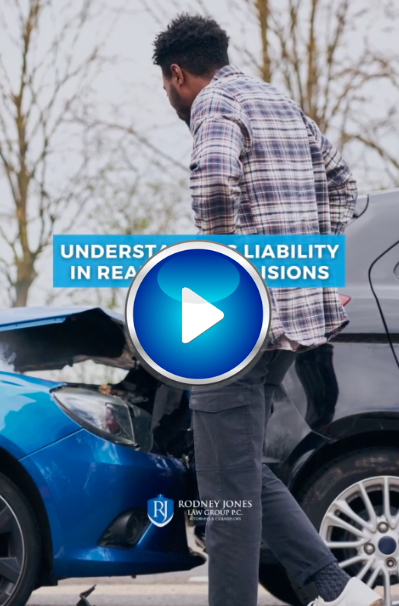
Watch this video for reference:
How We Can Help
Legal Expertise: Our skilled attorneys have a deep understanding of personal injury law, specifically in cases related to rear-end incidents. We leverage our expertise to build a strong case on your behalf.
Compassionate Support: We recognize the emotional and physical toll that such incidents can take. Our team is not only focused on the legal aspects but also on providing compassionate support to guide you through the process.
Dedicated Representation: Your case is our priority. We are dedicated to fighting for your rights, pursuing justice, and securing the compensation you deserve.
Contact Us Today
If you or a loved one has been involved in a rear-end incident, don’t hesitate to reach out. Time is of the essence, and we are here to help you navigate through the legal complexities.